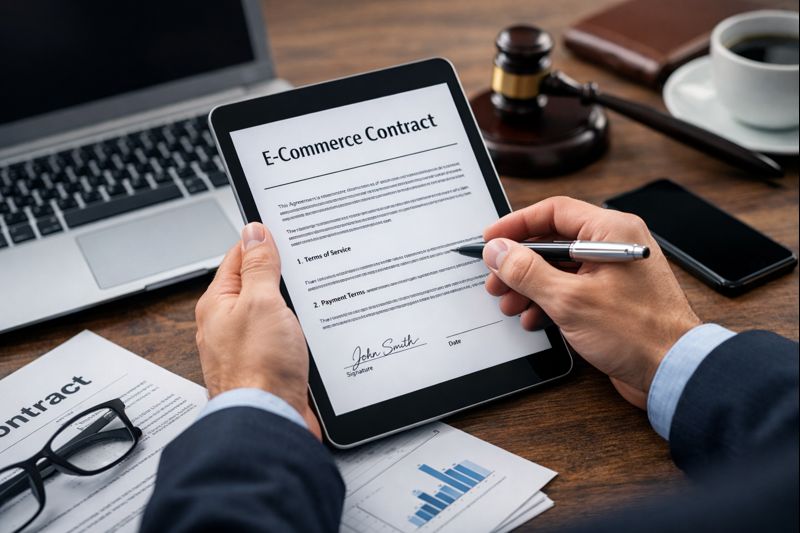
The e-commerce industry in New York is booming, and with it comes the need for businesses to protect their intellectual property, comply with legal regulations, and manage legal risks. Whether you’re launching a new online store or growing an established e-commerce business, having the right legal services in place is crucial for long-term success. In this article, we’ll explore the top legal services for e-commerce businesses in New York and how they can help you protect your brand and increase your sales.
1. Trademark Registration: Protect Your Brand Identity
One of the most critical steps for any e-commerce business is securing trademark protection. A trademark protects your business name, logo, and other brand identifiers from being used by competitors. This prevents brand confusion and ensures that customers can easily identify your products or services.
In New York, registering a trademark with the United States Patent and Trademark Office (USPTO) provides national protection and ensures that your brand is legally safeguarded. A trademark also adds value to your business and can be a valuable asset when seeking investment or expanding your operations.
Key Benefits:
- Exclusive right to use your brand name and logo.
- Prevents brand infringement and unauthorized use of your intellectual property.
- Boosts brand credibility and consumer trust.
2. Intellectual Property (IP) Protection
Beyond trademarks, there are other critical forms of intellectual property protection for your e-commerce business, including copyrights and patents.
- Copyrights protect creative works such as product descriptions, images, music, and videos on your website.
- Patents can protect your innovative product designs or manufacturing processes.
For e-commerce businesses that rely heavily on unique content or products, IP protection is essential. By registering your intellectual property, you gain the exclusive rights to use and profit from your creations, which is crucial for maintaining a competitive edge.
Key Benefits:
- Secures your creative assets from unauthorized use.
- Increases brand value by protecting your proprietary content and inventions.
- Enables licensing and partnerships for greater revenue streams.
3. Contract Law: Creating Effective Terms and Conditions
Contracts are at the core of every e-commerce transaction. Having well-drafted terms and conditions (T&C) and privacy policies on your website is essential for protecting your business legally and ensuring compliance with consumer protection laws.
Your terms and conditions should outline your e-commerce policies, including refund policies, shipping terms, and dispute resolution procedures. Additionally, a privacy policy is legally required for businesses that collect customer data. It outlines how you handle and protect sensitive customer information in compliance with laws like the General Data Protection Regulation (GDPR) and the California Consumer Privacy Act (CCPA).
Key Benefits:
- Protects against legal disputes by setting clear expectations.
- Ensures compliance with data protection and privacy laws.
- Builds trust with your customers by demonstrating a commitment to data security.
4. Compliance with E-Commerce Regulations
E-commerce businesses are subject to a range of federal, state, and local regulations. For instance, New York e-commerce businesses must comply with the state’s sales tax laws, consumer protection regulations, and advertising standards. Failing to comply with these laws can result in costly fines and damage to your business reputation.
Legal services can help you navigate complex regulations, such as:
- Sales tax registration and collection: Understanding when and how to collect sales tax on products sold in New York and other states.
- Advertising regulations: Ensuring your online advertising complies with Federal Trade Commission (FTC)guidelines.
- Consumer protection laws: Protecting your customers’ rights and ensuring they are informed of their purchasing rights.
Key Benefits:
- Avoids fines and penalties by ensuring compliance.
- Promotes transparent business practices that foster customer loyalty.
- Protects your reputation by adhering to legal standards.
5. Dispute Resolution and Litigation Services
Even with the best precautions, disputes are inevitable in business. Whether it’s a customer dispute, contract breach, or trademark infringement, having access to legal services for dispute resolution and litigation is essential.
When an issue arises, your legal team can help resolve disputes through:
- Arbitration or mediation: Alternative methods for resolving disputes outside of court.
- Litigation: When necessary, representation in court to protect your rights and interests.
E-commerce businesses need legal support to handle disputes with suppliers, customers, competitors, and other stakeholders. Having a reliable legal team can save you time and money while protecting your business from the potential impact of a lawsuit.
Key Benefits:
- Minimizes business disruptions by resolving conflicts quickly.
- Ensures fair resolution of disputes through alternative methods or litigation.
- Protects your business interests during legal challenges.
6. Consumer Protection and Fraud Prevention
E-commerce businesses must stay vigilant against fraud and protect their customers from deceptive practices. Implementing robust fraud prevention measures and adhering to consumer protection laws can help prevent financial loss and legal complications.
Services related to consumer protection include:
- Dispute resolution for customers who file complaints about goods or services.
- Fraud prevention strategies to detect and prevent chargebacks, identity theft, and scams.
Protecting your customers helps build trust and loyalty, which are essential for long-term growth.
Key Benefits:
- Reduces the risk of fraud and chargebacks.
- Ensures customer satisfaction by offering a secure shopping experience.
- Boosts consumer confidence by demonstrating your commitment to fair business practices.
7. Taxation and Business Structuring Advice
Understanding the tax implications of running an e-commerce business in New York is vital for ensuring compliance and minimizing tax liabilities. Legal professionals can provide advice on the best business structure for your company, whether it’s an LLC, corporation, or sole proprietorship, and help with sales tax and other tax obligations.
Additionally, tax experts can assist with:
- Sales tax collection and tax filings.
- R&D tax credits and state-specific tax incentives for e-commerce businesses.
- International tax laws if you’re expanding into international markets.
Key Benefits:
- Ensures tax compliance and avoids costly penalties.
- Optimizes tax advantages and maximizes savings for your business.
- Helps navigate international tax laws as you expand globally.
Conclusion: Secure Your E-Commerce Business with Expert Legal Support
In New York’s fast-paced e-commerce environment, legal services are not just a luxury—they’re essential for ensuring your business runs smoothly, stays compliant, and protects its most valuable assets. By partnering with experienced legal professionals, you can safeguard your brand, navigate complex regulations, and focus on growing your business.
At LexDesire, we offer a wide range of legal services tailored to e-commerce businesses. Whether you need trademark protection, help with contracts, or assistance with dispute resolution, our team is here to guide you every step of the way.
Contact us today to secure expert legal support and protect your e-commerce business in New York.